From Verification Futures 2026 to Austin's semiconductor community, one conversation kept coming up: how do we turn AI's potential into engineering results we can trust?
AI can generate code faster than ever. But in semiconductor engineering, generating something isn't the same as knowing it works.
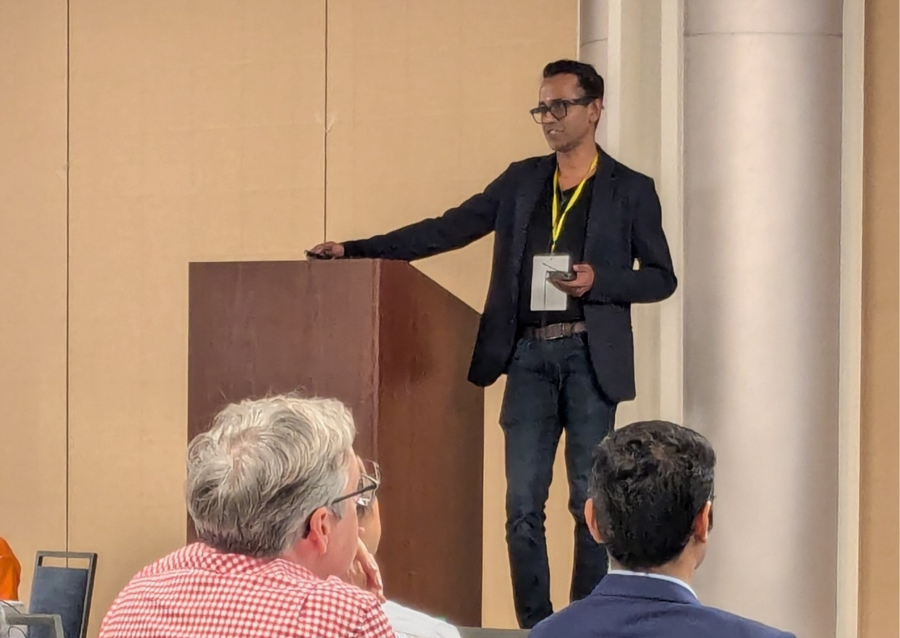
That was the challenge at the heart of Shelly Henry's Tech Talk at Verification Futures 2026 in Austin, The Verification Gap: What AI Produces vs. What Silicon Demands.
The talk was very well received, sparking exciting conversations about what comes next for AI in design verification, where automation can make the biggest difference, and what it will take to bring AI into real engineering workflows.
For us at MooresLab AI, those are exactly the questions worth asking.
The next chapter of AI in semiconductor engineering
The opportunity for AI in chip design goes far beyond writing code. It includes helping engineers generate verification plans and testbenches, identify coverage gaps, investigate simulation failures, and spend less time on repetitive work.
But practical AI needs to do more than produce plausible answers. Engineers need outputs they can evaluate, evidence they can inspect, and tools that work within the environments they already use.
That's the difference between an impressive AI demo and a solution that helps get chips out the door.
At MooresLab, we're developing agentic AI solutions for semiconductor engineering, from specification-driven development to verification and debugging. Our focus is on helping engineers accelerate real work without losing sight of the rigor that silicon demands.
The conversations at Verification Futures reinforced something we believe deeply: the future isn't about replacing engineering expertise. It's about giving engineers more time to use it.
Good conversations don't end at the conference
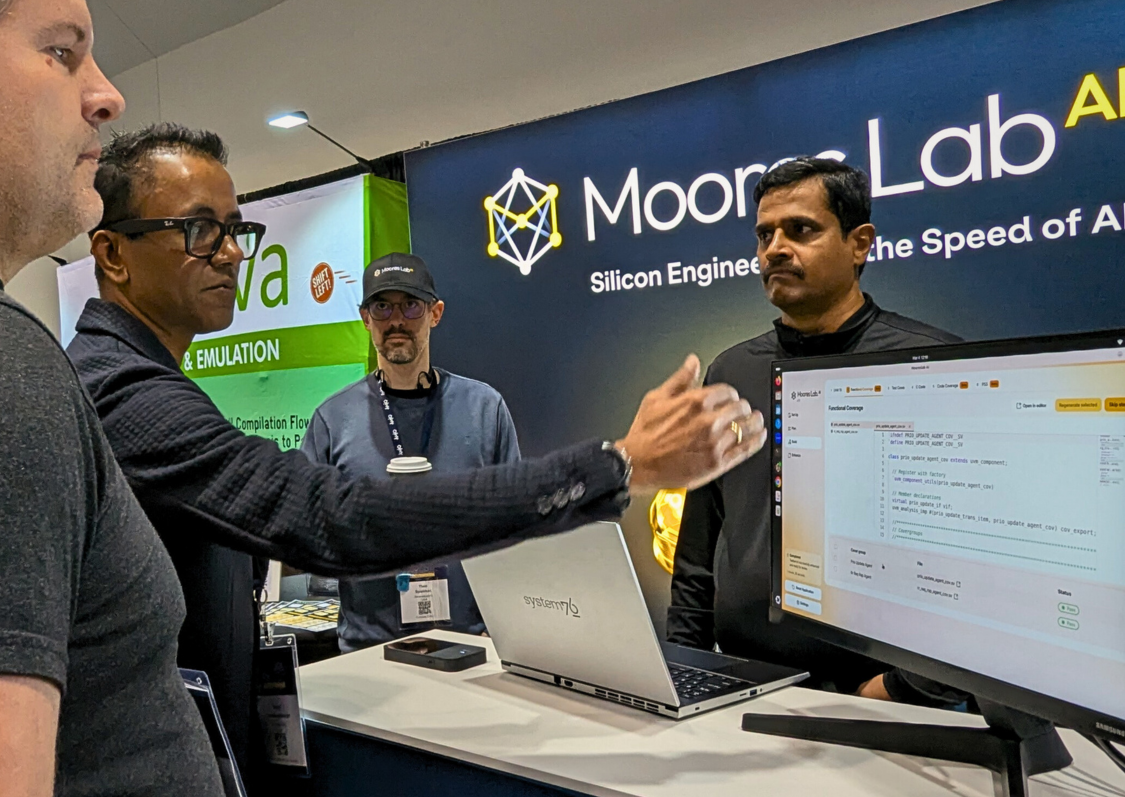
After the sessions, we kept the conversation going at our Austin Semiconductor Happy Hour.
It was a chance to connect with people across the semiconductor community, exchange ideas, and talk candidly about where AI is making progress, where challenges remain, and what the industry needs next.
Because building better AI for semiconductor engineering takes more than technology. It takes listening to the engineers doing the work and learning from the people shaping the industry.
Thanks to everyone who joined Shelly's talk, shared their perspectives, or came out to connect with us in Austin. We're excited about where these conversations lead.
The question isn't just what AI can generate. It's what engineers can confidently put to work.
That's the future we're working toward at MooresLab AI.