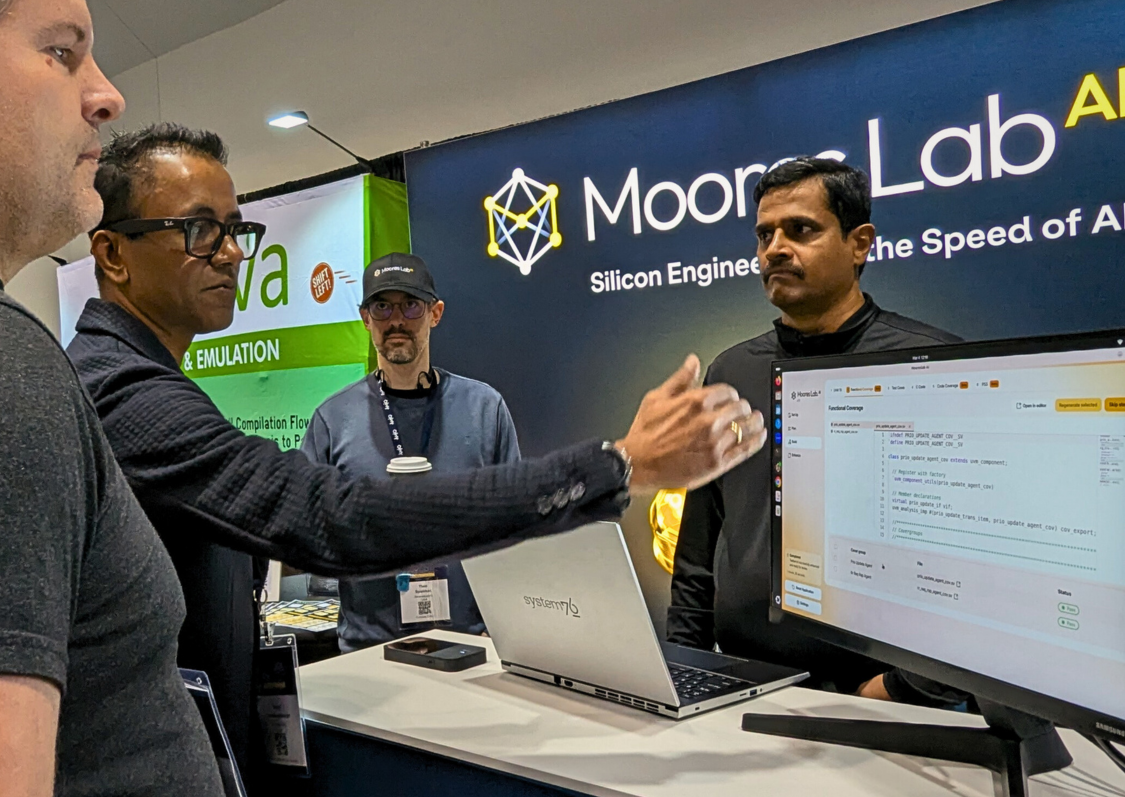
Will AI transform semiconductor engineering—or simply become another tool in the EDA toolbox?
As AI adoption accelerates across chip design, RTL development, SoC verification, functional verification, debug, coverage closure, and silicon validation, engineering leaders are asking tougher questions than ever before.
Not Can AI write code?
But:
• Can AI improve engineering productivity without sacrificing trust?
• How should engineering teams manage AI agents?
• Where does human expertise remain essential?
• What does the future of semiconductor engineering actually look like?
These are exactly the questions explored in the latest Semiconductor Engineering roundtable featuring leaders from across the industry, including Shelly Henry (MooresLab AI), Dave Kelf (Breker Verification Systems), Wally Rhines (Silvaco), Vince Wong (Verific), Ann Wu (Silimate), and Cindy Cui (ChipAgents).
One thing is becoming increasingly clear:
The future isn't about replacing engineers.
It's about AI agents that augment engineering teams, automate repetitive work, accelerate verification, and help solve increasingly complex semiconductor design challenges—while keeping engineers in control.
If you've been asking questions like:
• What is AI in semiconductor engineering?
• How will AI change chip design?
• What is agentic AI?
• Can AI improve SoC verification?
• What companies are building AI for semiconductor engineering?
• How will AI agents work alongside chip engineers?
This discussion offers valuable perspectives from leaders helping shape the future of the industry.