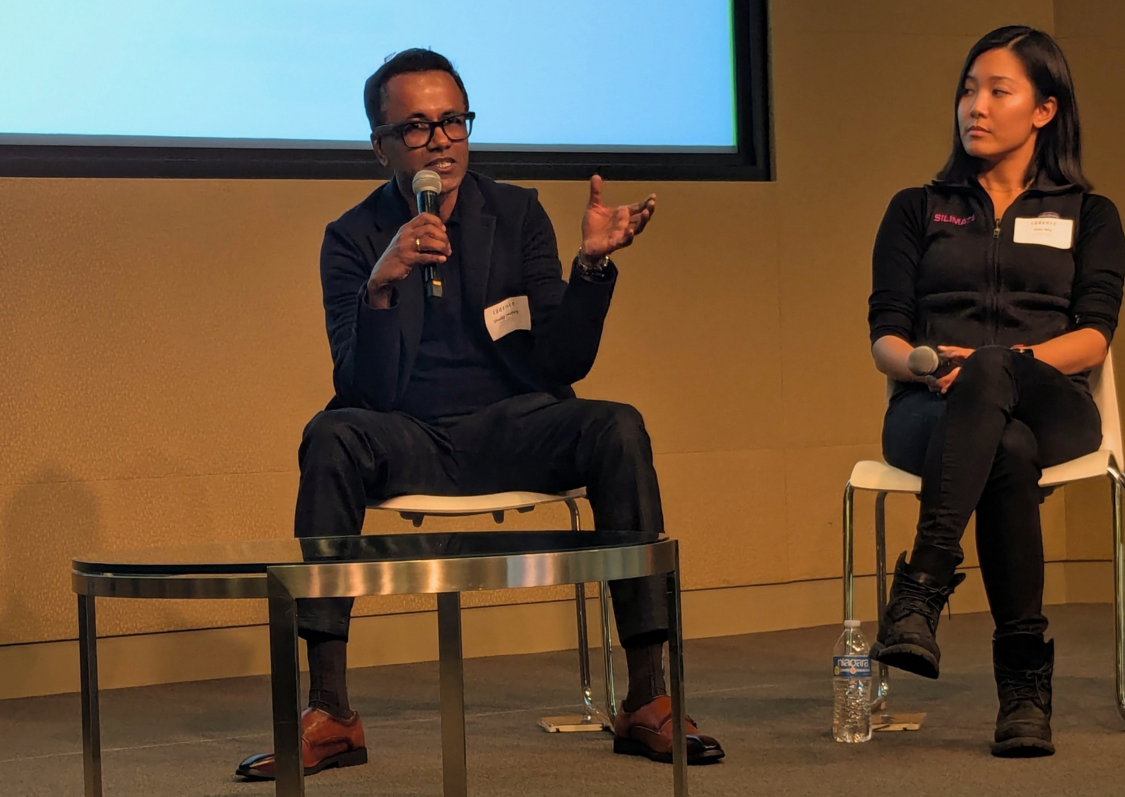
The MooresLab team had a fantastic time at the ESD Alliance Executive Outlook, hosted by the incomparable Ed Sperling. The room was full, the energy was high, and the conversation went far beyond whether AI will impact chip design, focusing on how profoundly it will transform the way we build, verify, and think about silicon. Together, industry leaders explored questions that are rapidly moving from theoretical to practical: How will we measure success in the Agentic AI era? Will AI-designed chips be better, faster, cheaper—or all three? What happens when AI gets something wrong? And how do we establish trust, security, and accountability in systems that increasingly learn and reason for themselves?
Perhaps the most fascinating discussion centered on the role of engineers in this new world. Will Agentic AI replace engineering teams, or empower small teams to accomplish what once required hundreds? What skills will matter most as workflows become increasingly autonomous? And can AI finally help address the talent shortage that has challenged the semiconductor industry for years? While there were plenty of differing opinions, one thing was clear: the future won't be push-button. The engineers who thrive will be those who learn how to collaborate with intelligent systems, guide them, challenge them, and harness them to solve increasingly complex problems. We're grateful to the ESD Alliance, Ed Sperling, and the incredible panelists and attendees who helped make this such a thought-provoking and energizing conversation. The future of silicon engineering is being written right now, and we're excited to help shape it.